Educational Programs
Numeracy
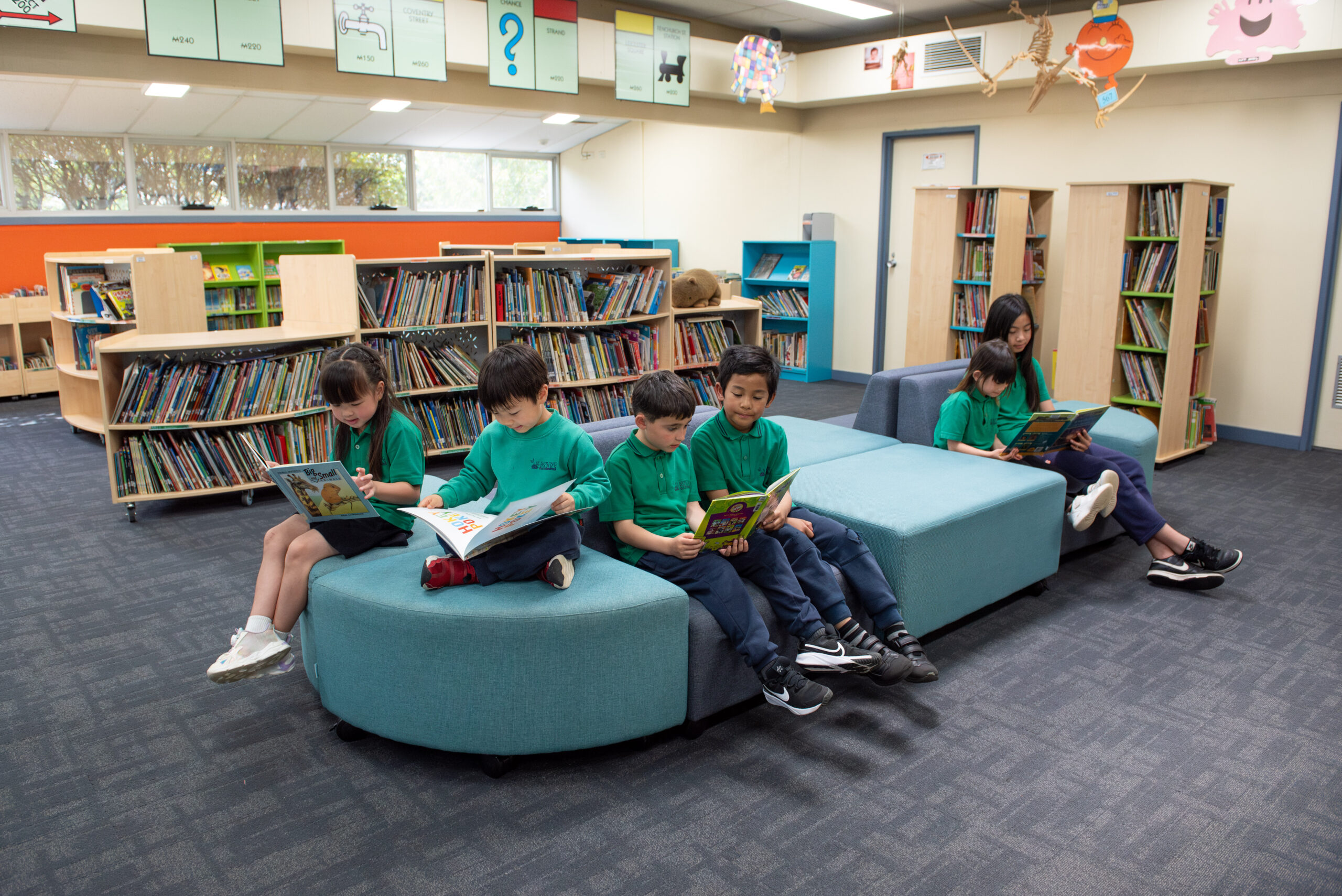
We are committed to developing confident, curious and capable mathematicians. Students engage in a minimum of five hours of Numeracy each week.
Our program follows the Victorian Curriculum: Mathematics 2.0, organised into six interconnected strands:
- Number
- Algebra
- Measurement
- Space
- Statistics
- Probability
These strands are taught in an integrated and sequential way to develop deep understanding, fluency and strong problem-solving skills.
Our Numeracy program emphasises:
- Strong number knowledge and fluency
- Real-world problem solving
- Mathematical reasoning and precise vocabulary
- Estimation and strategic thinking
- Connections across learning areas

Literacy
We are committed to developing confident and capable communicators. Students participate in a minimum of ten hours of Literacy each week.
Our program aligns with the Victorian Curriculum: English 2.0 and includes the interrelated strands of:
- Reading and Viewing
- Writing
- Speaking and Listening
Teaching and learning are further informed by the Victorian EAL Continuum to ensure students learning English as an Additional Language are appropriately supported.
To build strong foundations, we implement evidence-informed programs including:
- Phonics Plus: Systematic synthetic phonics, spelling, handwriting and fluency
- Literacy Skills: Grammar, punctuation and sentence structure
- Text Studies: Responding to and creating fiction and non-fiction texts
Specialist Programs
Mandarin
Mandarin is one of the most spoken languages in the world. At Spring Parks Primary School, each class has a one-hour Mandarin lesson where students are given the opportunity to develop an understanding of the Mandarin language, its speakers, culture, and learn about the countries and regions where Mandarin is spoken.
Students at each level learn specific skills relevant to their stage of development.
The following are some examples of the learning that takes place at each level:
- Foundation Level – Students begin to use and respond to basic Mandarin language related to topics such as self and family.
- Levels 1 and 2 – Students start to understand and use Mandarin in more structured situations and activities related to self, family, home, classroom, and community.
- Levels 3 and 4 – Students consolidate their learning and begin to extend their personal vocabulary and knowledge of Mandarin language structures.
- Levels 5 and 6 – Students begin to understand, use, and extend their Mandarin vocabulary within the world of their own experience and imagination.
Visual Arts
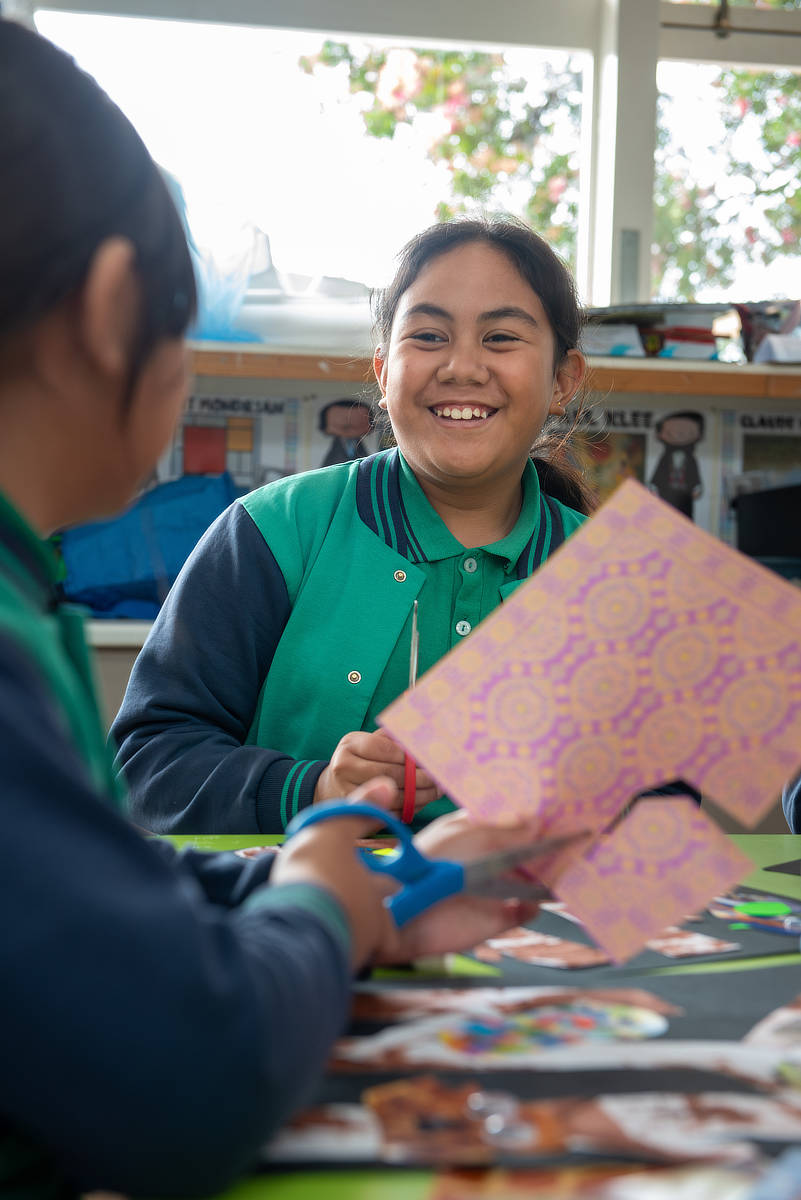
The Visual Arts program at Spring Parks Primary aims to provide students with opportunities for expression, experimentation and the development of skills leading to an appreciation of art and a sense of achievement. Students at each year level are challenged to further develop their understanding and skills of the elements of design. They are exposed to the works, styles and techniques of famous artists, as an inspiration to further develop their own creativity.
Below are examples of some amazing artwork students have produced at our school.
Health & Physical Education
The Health and Physical Education program focuses on students enhancing their own and others health, safety, well-being and physical activity participation.
The curriculum helps to support students to lay the important early foundations of play and fundamental movement skills. It focuses on the acquisition and refinement of a broad range of movement skills, teaching of resilience, decision making, a stronger sense of self, team work and the acquisition of movement skills to enable lifelong participation in a variety of physical activities.
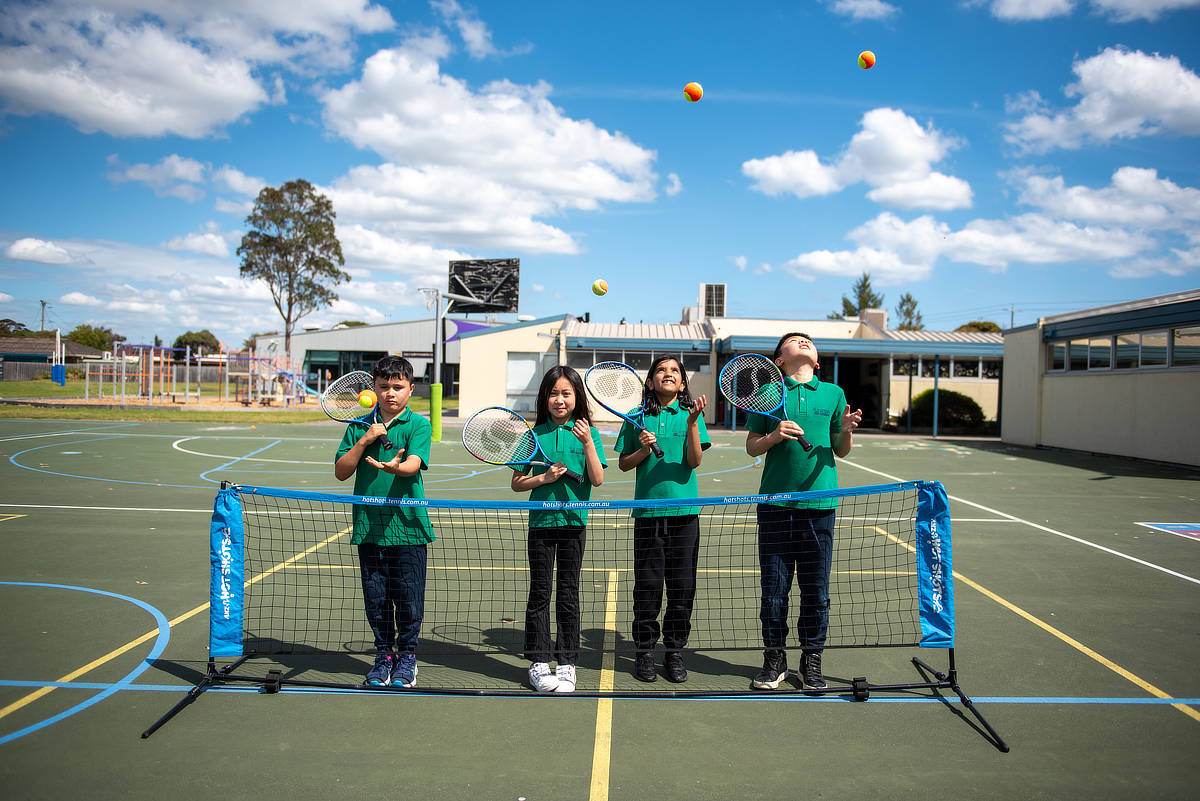
At Spring Parks Primary School all students participate in a 1hr weekly PE class, while students in Grades 5 and 6 also play competition sports (inter-school sports) against other local Primary Schools on a Friday. All students also participate in Health Education lessons with their classroom teachers.
In addition, to our PE program students are also involved in school programs such as
- Athletics
- Cross Country
- 2 week intensive Swimming Program
- After school sporting programs held at school (Sporting Schools)
- Clinics from outside sporting associations (AFL Football Clinics, Basketball clinics etc).
- Just Get Active
- Smart Moves
Performing Arts
Music Lessons
We are pleased to offer music lessons in piano and guitar through Creative Music. This is a user pays system. For more information see the Creative Music website https://www.creativemusic.com.au/default.asp or contact the front office for an expression of interest form.
STEM – Science, Technology, Engineering, and Mathematics
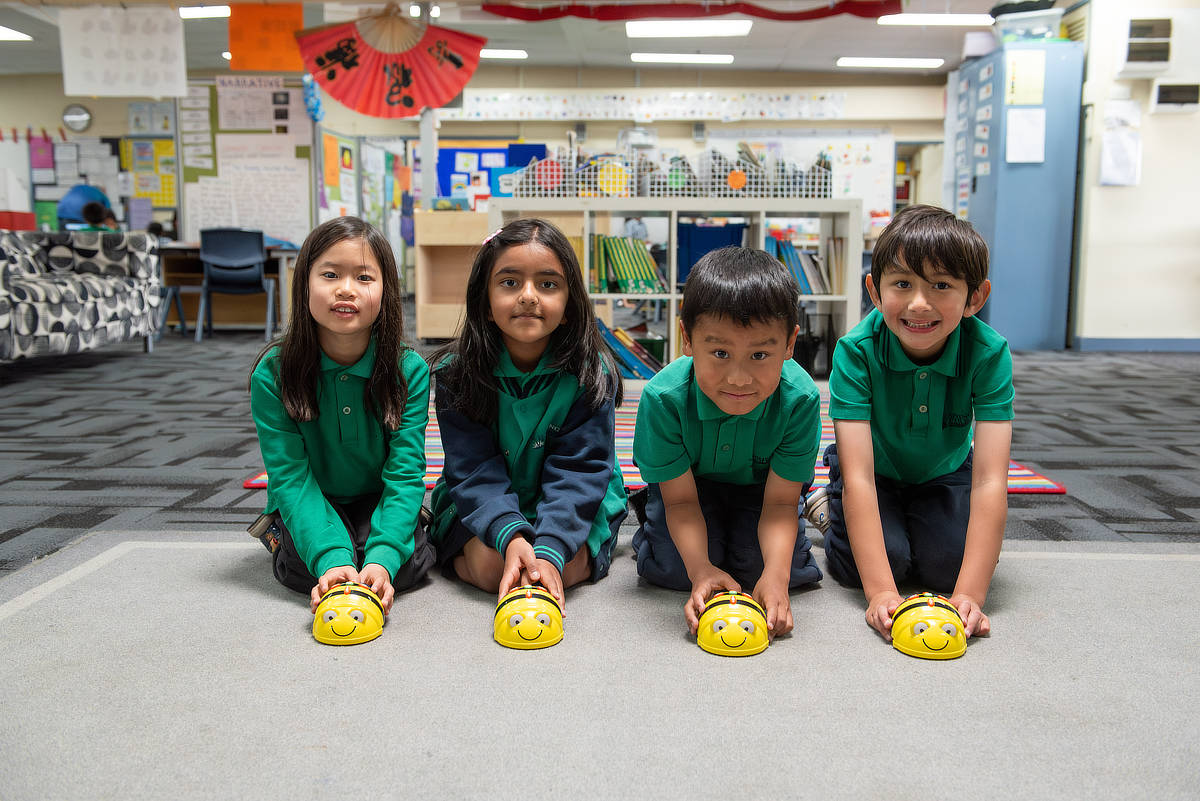
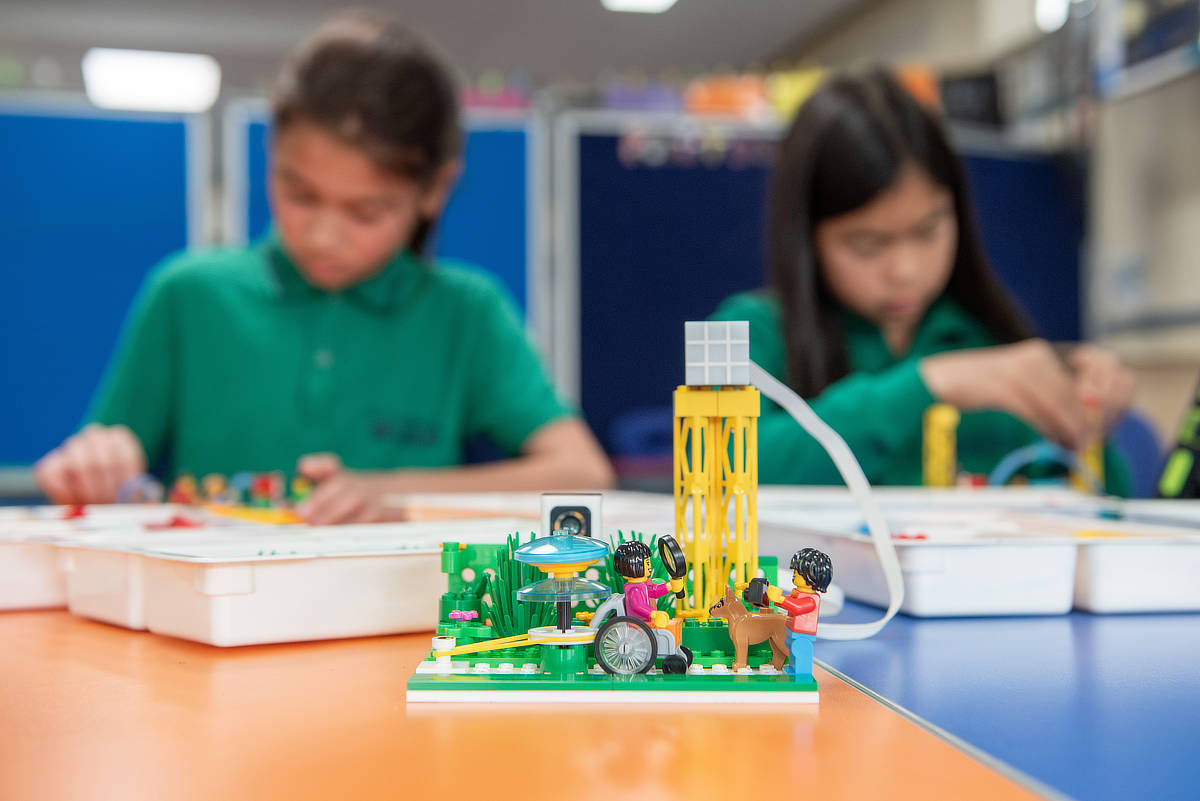
From the beginning of 2023, we introduced STEM as a specialist subject for all students. STEM was designed as an integrated, project-based subject where students drew on a range of disciplines and used an inquiry cycle to solve real-world problems. This included developing knowledge and skills across science, technology, engineering and mathematics, while strengthening students’ critical and creative thinking.
We have now moved to integrating this learning within the classroom program. Students engage in Design and Technology and Science through Victorian curriculum lesson plans, allowing these learning areas to be more closely connected to their everyday classroom learning.
We look forward to continuing to see the creativity, problem solving and innovation our students demonstrate through this approach.
Wellbeing
Respectful Relationships
The Respectful Relationships Program implemented in schools aims to foster a positive and inclusive environment for students, emphasising the importance of healthy interpersonal connections. This comprehensive initiative goes beyond traditional academic subjects, focusing on developing essential life skills such as empathy, communication, and conflict resolution. Through age-appropriate curriculum modules, students are educated on the principles of respect, consent, and understanding diversity.
The program empowers students to recognise and navigate various relationships in their lives, be it with peers, family, or community members. By addressing topics like bullying,
gender stereotypes, and emotional intelligence, the Respectful Relationships Program equips students with the tools needed to build and maintain respectful connections throughout their lives. Through engaging activities, open discussions, and real-life scenarios, the program plays a pivotal role in shaping a generation that values and upholds the principles of respect and empathy, fostering a school culture that prioritises positive social dynamics and emotional wellbeing.
Berry Street
The Berry Street Education Model is a comprehensive approach to education that prioritises the wellbeing and holistic development of students. Originating from the Berry Street Childhood Institute in Australia, this model recognizes the impact of trauma and adversity on a student’s ability to learn and thrive. It emphasises a trauma-informed and resilience-focused framework, guiding educators in creating a supportive and nurturing learning environment.
This model equips teachers with practical strategies to address the diverse needs of students, with a particular emphasis on those who may have experienced trauma or face socio-economic
challenges. It integrates trauma-aware practices into the classroom, fostering a sense of safety, belonging, and connection for all students. The Berry Street Education Model emphasises the importance of building positive relationships, teaching emotional regulation skills, and promoting a strengths-based approach to education.
By addressing the social and emotional aspects of learning, this model strives to create a foundation for academic success and personal growth. It not only supports students in overcoming challenges but also empowers educators to be effective agents of positive change in the lives of their students. Ultimately, the Berry Street Education Model seeks to create inclusive and resilient learning communities where every student has the opportunity
to reach their full potential.
Wellbeing Team
The Wellbeing Team, an integral part of our educational community, is dedicated to cultivating a supportive environment where the holistic wellbeing of both staff and students is prioritised. Committed to fostering a positive and nurturing atmosphere, this team collaborates closely with educators, administrators, and students to ensure optimal wellbeing outcomes for all.
Working hand in hand with staff, the Wellbeing Team provides resources, training, and support to create a school culture that values and promotes mental, emotional, and social health.
By fostering open communication and providing tools for self-care, the team enables educators to better navigate the challenges of their roles while maintaining their own wellbeing.
For students, the Wellbeing Team offers a range of services aimed at addressing individual needs, building resilience, and fostering a sense of belonging. Through targeted interventions,
counselling services, and proactive well-being initiatives, the team strives to create an inclusive environment where every student feels valued and supported on their unique journey.
Lunchtime Activities and Community Partnerships
Lunchtime at our school is more than just a break; it’s an opportunity for students to engage in a vibrant and inclusive community. Our dynamic lunchtime activities are designed to cater to diverse interests and create a positive social atmosphere.
Table tennis competitions add an exciting dimension to our lunchtime routine, fostering friendly competition and encouraging physical activity. Whether you’re a seasoned player or
a novice looking to try something new, the table tennis tables are a hub of energy and camaraderie.
Our student school leaders set a positive example during break times by modelling respectful behaviour, safe play and inclusion for all students. Year 6 buddies support our Foundation students by helping them settle into routines, build friendships and feel confident in the playground. Our Sustainability Captains take responsibility for caring for our environment, encouraging others to look after the grounds and promoting sustainable practices across the school.
In addition to structured activities, various games and interactive spaces are available, ensuring there’s something for everyone. From board games to outdoor activities, students
have the freedom to choose activities that resonate with their interests, promoting social interaction and a sense of belonging.
Community Partnerships
We value strong community partnerships that enhance the wellbeing supports available to our students. Through the Psychs in Schools initiative, we are able to provide targeted referrals and early intervention support for students who require additional social, emotional or mental health assistance. We also work closely with the Unconditional Love Foundation, whose wellbeing dog programs bring trained therapy dogs into our school to support student regulation, engagement and connection. These partnerships strengthen our whole-school approach to wellbeing and ensure students have access to the right support at the right time.
.